15. International EBHC Symposium 2020
From Evidence to Action
5-7 października 2020 | ONLINE
Ze względu na zagrożenie COVID-19 i niepewną sytuację epidemiczną na całym świecie, w 2020 roku po raz pierwszy w historii nasze Sympozjum odbyło się wyłącznie online. Program 15. Sympozjum EBHC został zrealizowany w ciągu 3 dni w ramach sześciu sesji tematycznych:
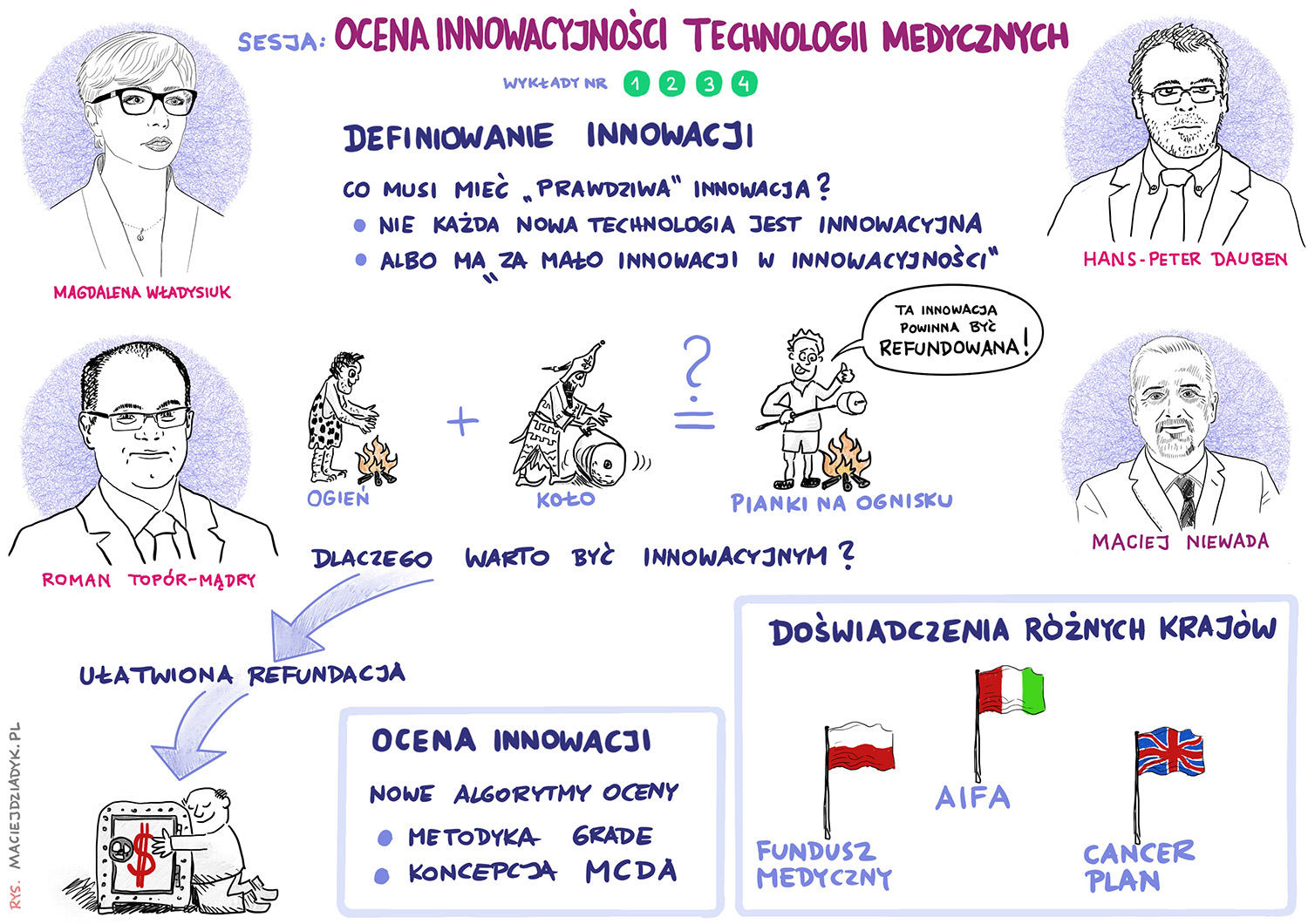
- Assessing innovativeness of health technologies
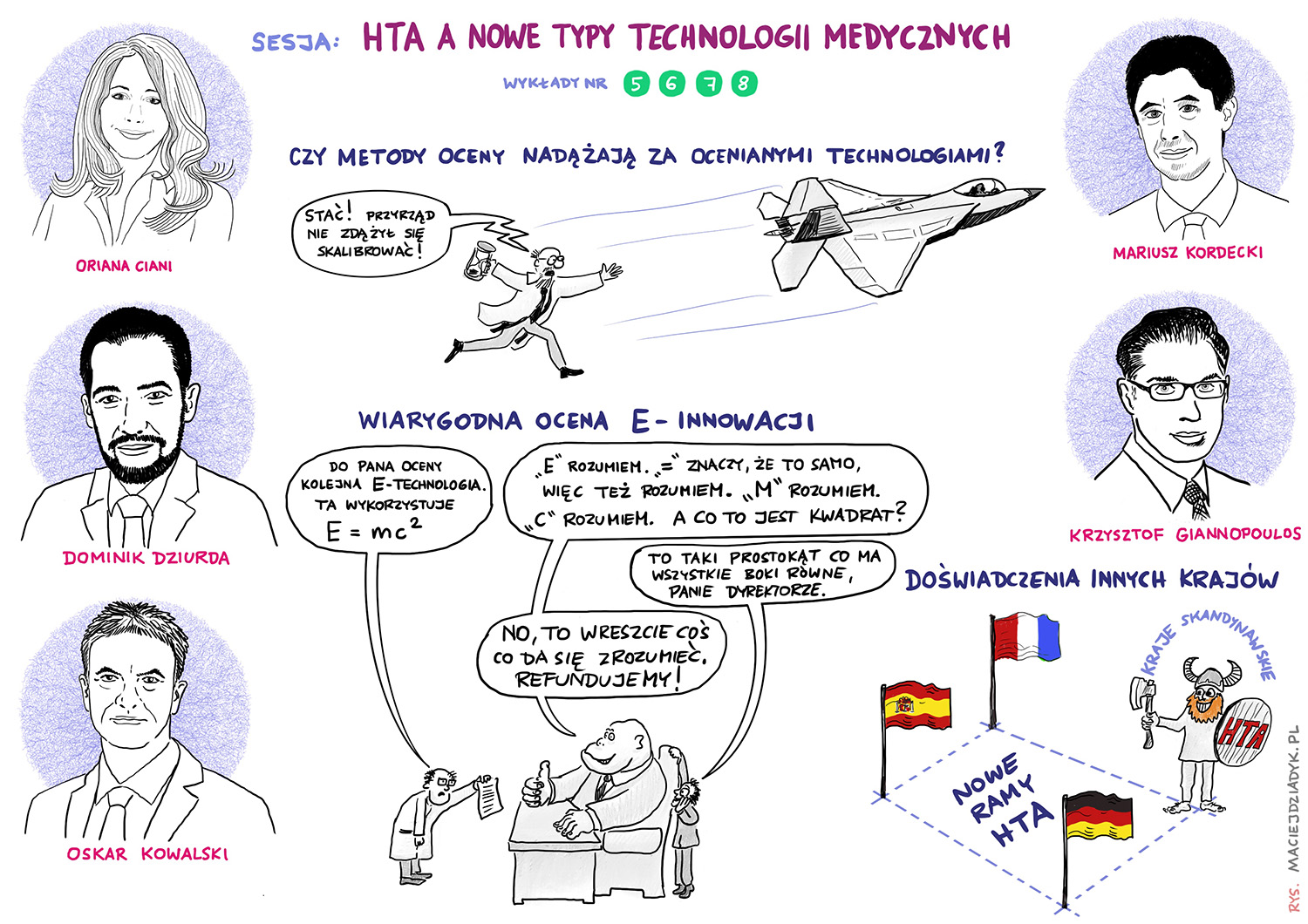
- HTA and new types of health technologies
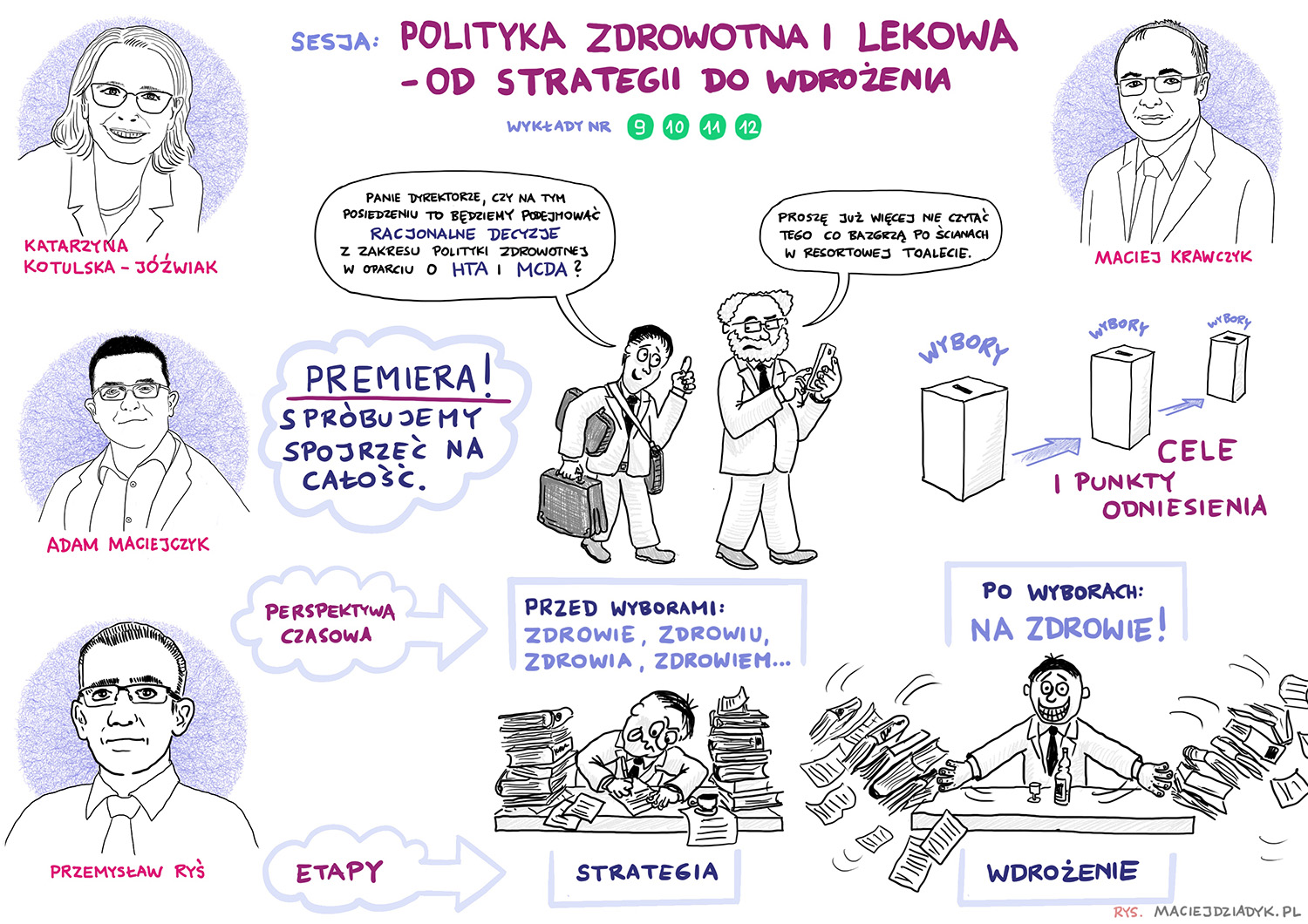
- Health policy, drug policy – from strategy to implementation
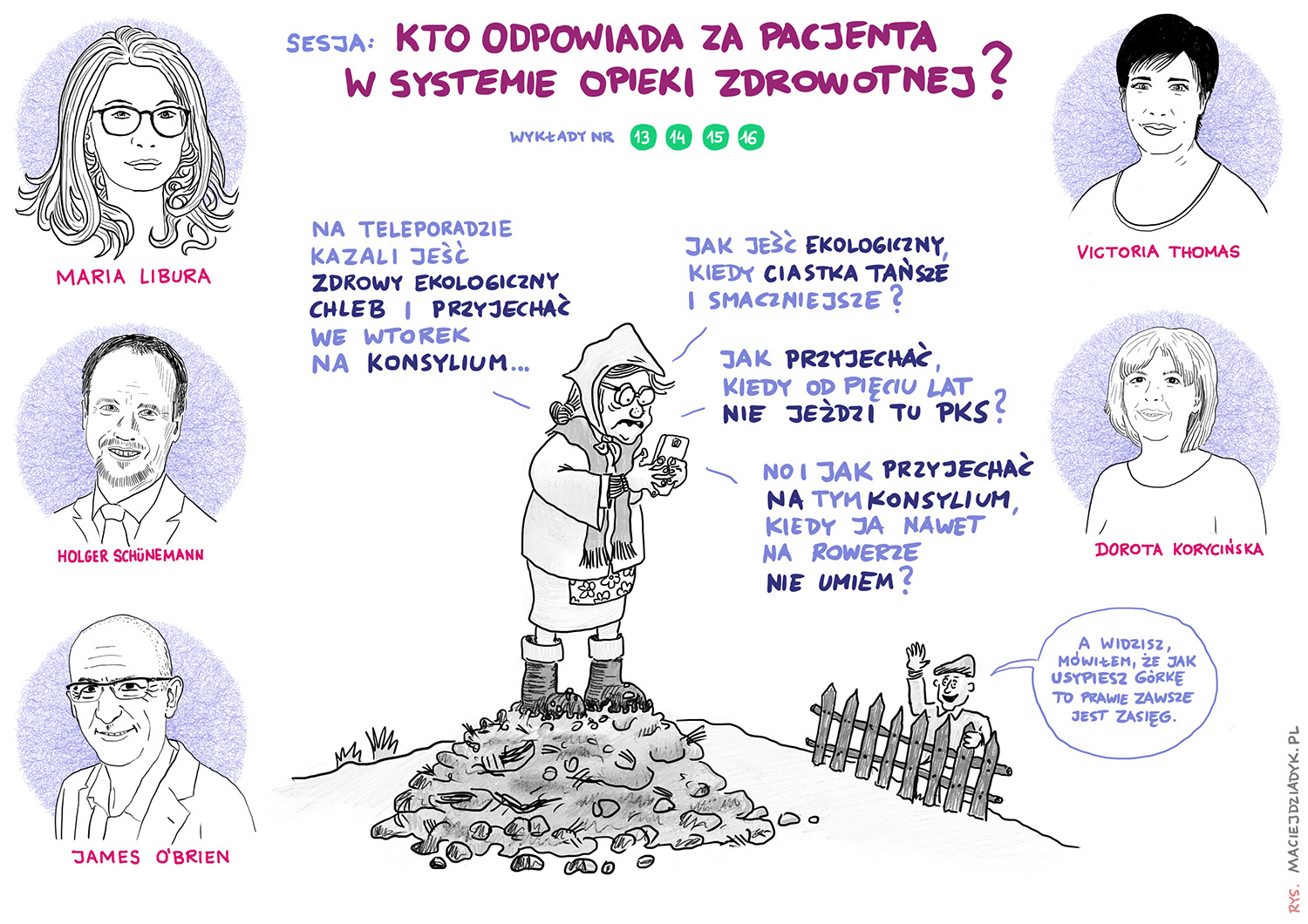
- Who is responsible for the patient in the healthcare system?
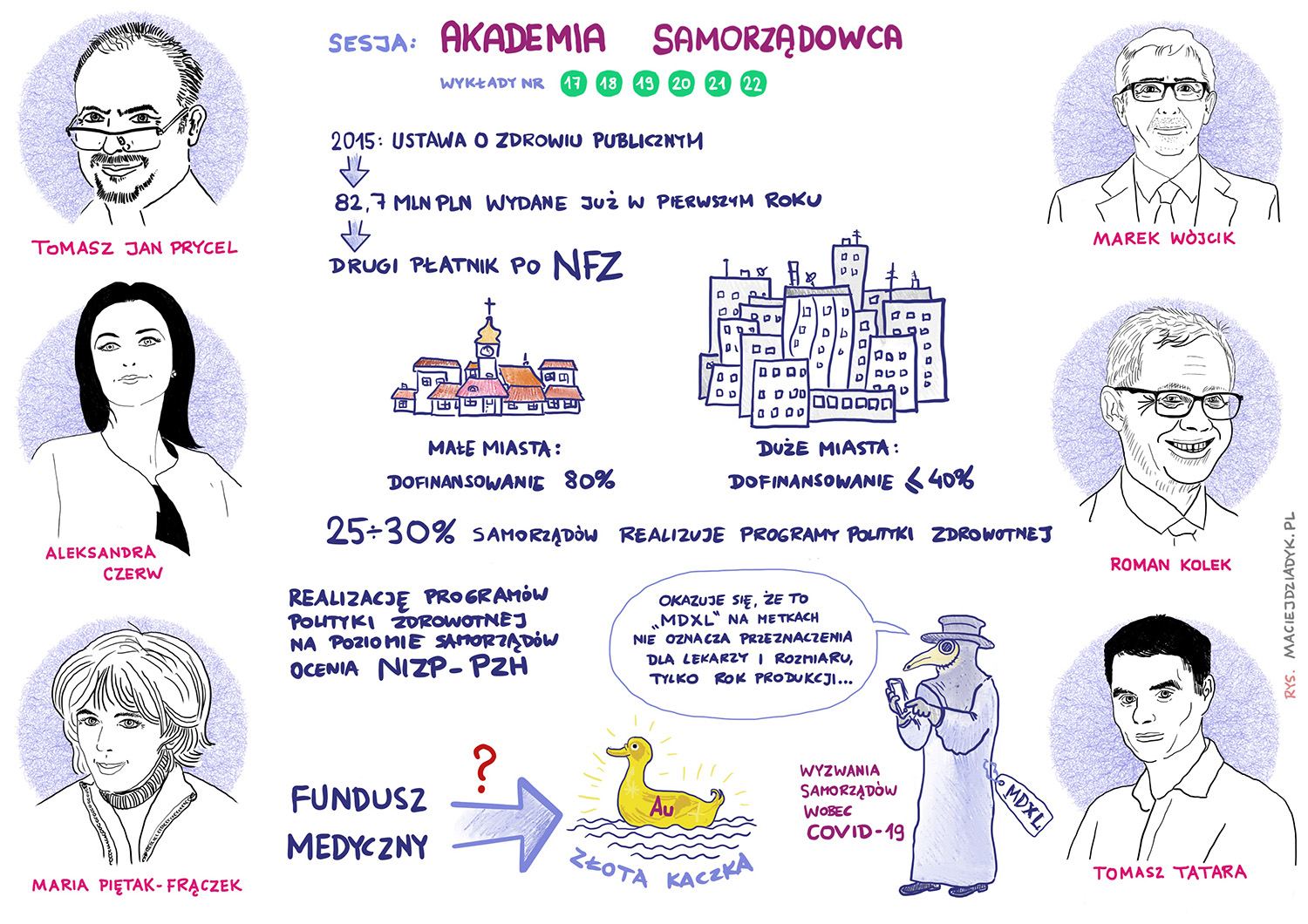
- Local government academy
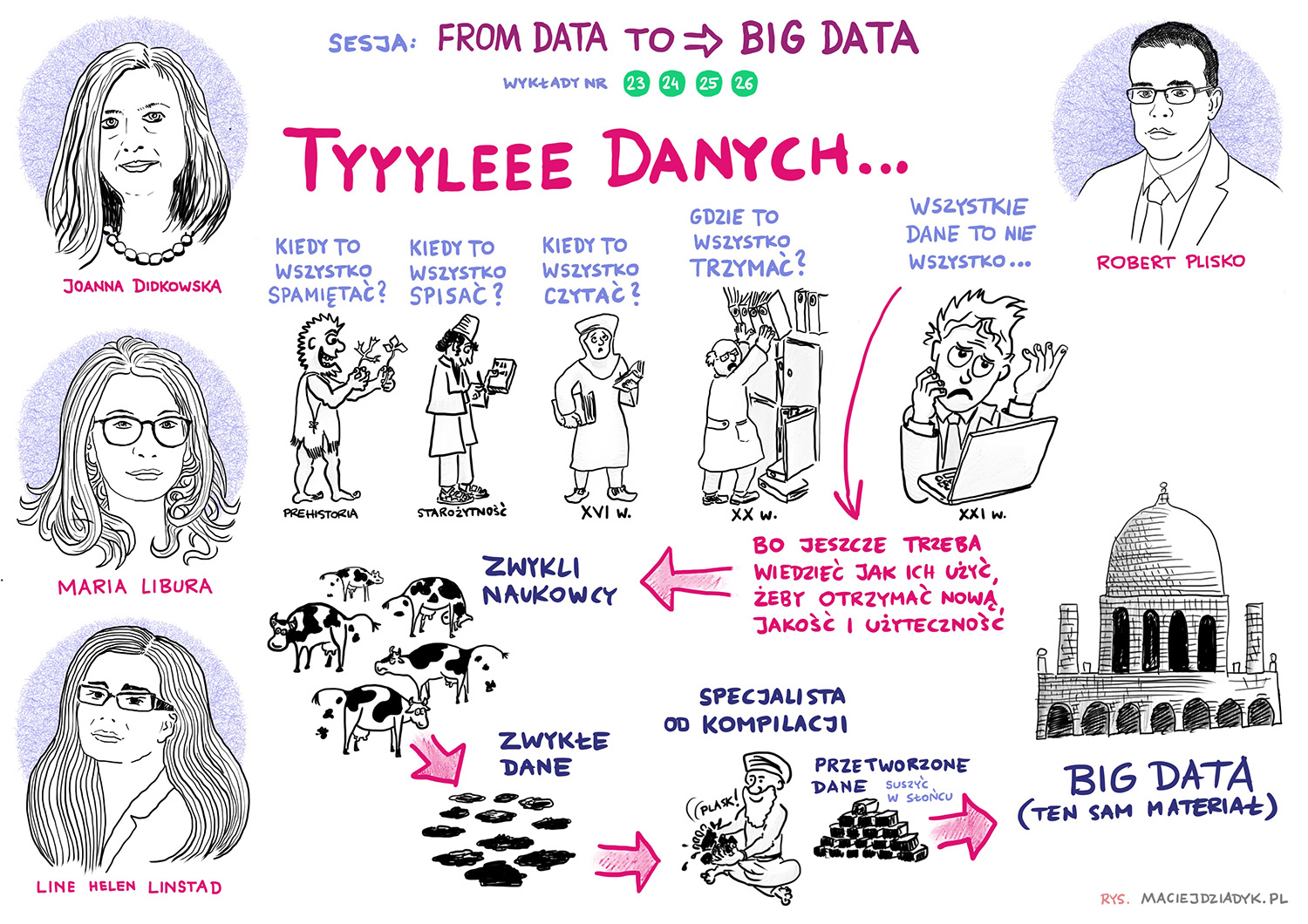
- From data to big data
Od założenia Stowarzyszenia CEESTAHC w 2003 roku jego członkowie stworzyli setki opracowań: analiz, rekomendacji, wytycznych i raportów. Teoretycznie wypracowaliśmy i udostępniliśmy społeczeństwu tysiące stron przydatnej wiedzy, która może poprawić efektywność działania systemu ochrony zdrowia w Polsce. Tyle, że praktycznie zaledwie ułamek tej wiedzy znalazł zastosowanie w realnych działaniach, mających na celu poprawę sytuacji. Z naszych doświadczeń wynika, że jakikolwiek przełożenie na rzeczywistość mają opracowania zaadoptowane na potrzeby prostych działań wykonywanych na niższych szczeblach organizacji systemu ochrony zdrowia (np. programów zdrowotnych).
The remaining knowledge exists and expands thanks to new primary studies; it is also repeatedly processed in subsequent secondary studies. However, an average participant of the system is not aware of the existence and scale of new information which is constantly becoming available. The ever growing collection of data (Evidence) is like a mycelium which covers an entire forest – it remains virtually invisible and the desired effects spring up like mushrooms only in specific places and conditions. These external manifestations of that mycelium’s life are our Actions undertaken within the healthcare system: health programmes, system reforms, implementation of solutions. Only ideas which face favourable circumstances have a chance to succeed. The question is, is this how it is supposed to be?
Over the course of several years of working on solution optimisation, we have learned that the hardest stage of implementing any innovation within a large system is putting ideas into action. Transferring results of analyses and solution proposals to decision makers and then to the people who will be implementing them requires no less effort than the entire process of research and analysis. Insufficient effort put into promoting specific solutions, lack of ideas on how to communicate or poor communication can delay practical application of scientific work for many years, if not ruin the chance of putting an innovation to use altogether.
Transitioning from the research and analytical stage to implementation is difficult because it is associated with several serious obstacles:
- Zmiana środowiska. Wypielęgnowany pomysł opuszcza inkubator i swoich naukowych rodziców by trafić pod opiekę ludzi, którzy mogą na co dzień zajmować się zupełnie innymi zagadnieniami i dla których pomysł może być niezrozumiały.
- Lęk przed zmianą. O ile w procesie twórczym autorzy pomysłu widzą w nim same korzyści, to potencjalni wykonawcy mogą skupić się na tym co z ich stabilnego środowiska pracy zostanie zaburzone lub utracone w wyniku wdrożenia nowego rozwiązania.
- Sceptycyzm. Po tylu latach wypróbowywania w Polsce różnych nietrafionych, często szytych pod polityczne zapotrzebowania, rozwiązań, interesariusze rynku zdrowia mogą być nieufni wobec kolejnych „wspaniałych i jedynych słusznych usprawnień”.
- Uwarunkowania polityczne. Ochrona zdrowia jest tematem delikatnym i ze względu na nieustanny wpływ na życie wszystkich obywateli wrażliwym na histeryczne reakcje. Stąd u decydentów może występować dodatkowy opór przed zmianami, które niosą ze sobą ryzyko naruszenia istniejącego status quo. Cykl wyborczy też może być przekleństwem dla reform, bo wszelkie rozwiązania wymagające przystosowywania przez czas dłuższy niż kadencja wyborcza jest zagrożony skasowaniem przy ewentualnej zmianie władzy, często zanim zdąży zacząć działać.
- Brak pomysłu na wdrożenie. Większość budżetów projektów badawczych nie przewiduje a priori środków na przekucie przyszłych owoców badań na programy wdrożeniowe innowacji. Zaczynając projekt, dąży się do uzyskania środków na same badania. Praca badawcza ma to do siebie, że udowadnia lub obala hipotezy, więc często trudno jest na początku zakładać praktyczne wykorzystanie wyników, bo są one jeszcze nieznane. Gdy w wyniku analizy powstanie pomysł na usprawnienie, to działania tracą rozpęd z powodu braku planu działania i środków.
Ostatnie miesiące zmagań z COVID-19 wymusiły na ludzkości natychmiastowe przejście do Action, aby stawić czoła zagrożeniu nieopisanemu jeszcze w Evidence. Zaistniała sytuacja potwierdza słuszność kierunku wyznaczonego przez temat Sympozjum: from Evidence to Action. Musimy wypracować narzędzia do szybszego wdrażania wiedzy, żeby na przyszłość nie dać się już zaskoczyć na tak szeroką i czasami tragiczną skalę.
Podejrzewamy, że trudności z przejściem od Evidence do Action to nie tylko polski problem. Zapewne tysiące badaczy na całym świecie odczuwają na jakimś etapie kariery zawodowej niesatysfakcjonujący wpływ swoich wysiłków na poprawę sytuacji w rzeczywistym świecie. Czołowe światowe organizacje, takie jak Cochrane Collaboration, od lat publikują streszczenia swoich raportów napisane przystępnym językiem, udostępniane w językach narodowych (tzw. plain language summary, PLS). Mają one na celu dzielenie się wiedzą z osobami nieobeznanymi z naukową nomenklaturą i bez biegłej znajomości angielskiego. Jest to próba udzielenia dostępu do grzybni (Evidence) z pominięciem czekania na owocniki (Action). Naszym pomysłem na popularyzację wiedzy są rysunkowe streszczenia wykładów wygłoszonych w ramach 15. Sympozjum EBHC. Zapraszamy do galerii.
Partners
15. International EBHC Symposium 2020
Session 1: Assessing innovativeness of health technologies
Session 2: HTA and new types of health technologies
Session 3: Health policy, drug policy – from strategy to implementation
Session 4: Who is responsible for the patient in the healthcare system?
Since the 1980s, the role of patients in healthcare systems has become more prominent at various levels; they became involved not only in their own care plan or that or their family members, but also, more and more often, in shaping entire system reforms. The importance of engaging patients and their organisations in shaping the global healthcare system has a long history.
Patient engagement is usually focused on self-care and sometimes on shared decision making, which means taking responsibility for one's health. However, the debate about the role played by patients at higher levels of the decision-making process has been going on for many years. It is mainly seen through the lens of actions undertaken by individual organisations, which include, among others, popularising knowledge about specific diseases, providing psychological assistance to patients and their families, organising and financially supporting the treatment of patients. Increasing the engagement of patients and their organisations is different from individual engagement and requires strategic action on the part of decision makers.
Therefore, it seems that the responsibility for healthcare outcomes is a joint task for the government, public institutions, healthcare managers, the medical personnel and patients themselves. Their engagement directly impacts various aspects of the broadly understood healthcare functionality. Moving away from traditional paternalistic models, or the role of service providers towards customers, rather than the patients themselves stands in the way of increasing patient engagement and development of value-based healthcare (VBHC). It can take many forms, from improving patient-doctor cooperation and actively listening to patients, through satisfaction surveys, to partnership in decisions based on PROMs (patient reported outcomes measurements), patient experiences or preferences. As part of this session, we wish to present the forms and methods of engaging patients at various levels of system management, together with examples of their contributions to the healthcare development in Poland and worldwide. This session is a continuation of discussions undertaken in the previous years, regarding strengthening the role of patients and their organisations in the system.
Session 5: Local government academy
The growing role played by local self-governments in the development of healthcare is not limited to legal matters. Some of the tasks imposed on local governments by the Public Health Act of 11 September 2015 include: monitoring and assessing of the community's health condition; health education; health promotion; prevention; activities aimed at eliminating or reducing health risks; activities related to physical activity. Covid-19 brought about additional limitations and problems related to implementation of these tasks. As early as in 2015, local self-governments spent a total of PLN 82.7 million, which means that only the National Health Fund spent more on healthcare. The Medical Fund project indicated the necessity of co-financing preventive programmes, including those organised by local self-governments.
In 2015, the Supreme Audit Office carried out an assessment on the implementation of the tasks of health prevention programmes by local governments; currently this issue is monitored by the National Institute of Public Health – National Institute of Hygiene. However, local governments approach the implementation of tasks related to public health and health prevention programmes very differently. It is estimated that the percentage of local government units implementing health prevention programmes amounts to 25-30% (excluding anti-alcohol and anti-drug programmes, as implementing such programmes by municipalities is a statutory obligation). Of the 21,144 individual tasks, the most frequently undertaken ones were related to prevention, promotion, education and training – the least common ones were related to research. This session will be devoted to discussing the challenges faced by local governments in the new Covid-19 reality, in terms of both health priorities and financial capacities, as well as the practical aspects of implementing health policy programmes.
Speakers
15. International EBHC Symposium 2020
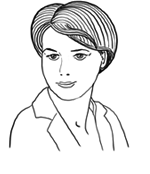
Małgorzata Bała (SPC)
Dr hab. Małgorzata Bała, prof. UJ jest pracownikiem Collegium Medicum Uniwersytetu Jagiellońskiego w Krakowie. Z zagadnieniami evidence-based healthcare jest związana od początku swojej pracy zawodowej. Jest współautorką rozdziałów w podręczniku pt. “Podstawy EBM, czyli medycyny opartej na danych naukowych dla lekarzy i studentów medycyny” (2008) oraz autorem wielu publikacji z zakresu przeglądów systematycznych. top

Oriana Ciani
Oriana Ciani is Associate Professor of Practice, Public Management and Policy Group, Health Economics & HTA at SDA Bocconi School of Management.
Her research interests are centred around the use and impact of Health Technology Assessment (HTA) on decision-making in healthcare, on the methodological aspects of the evaluation of health technologies, particularly medical devices, and on the use of evidence synthesis techniques to inform policy decisions and health policies evaluation. She is also Research Fellow at the University of Exeter Medical School (UK) where she received her PhD with a thesis focusing on the evaluation of surrogate endpoints in HTA, which remains one of her main research topics. Oriana has been involved in many national and international research projects. Oriana is author of several publications in HTA, health economics and health services research and reviewer for many international academic journals. She is member of the Early Career Committee of the European Health Economics Association (EuHEA), member of HTAi, of the International Association of Health Economics (iHEA), of the International Society of Pharmacoeconomics and Outcomes Research (ISPOR), of the Italian Association of Health Economics (AIES), of the International Federation for Medical and Biological Engineering (IFMBE) and of the Italian Association of Clinical Engineers (AIIC). Oriana holds a MSc in Biomedical Engineering from Politecnico di Milano and MSc in Healthcare Management and Economics from Bocconi University. top
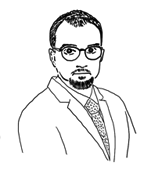
Marcin Czech (SPC)
Marcin Czech, PhD. He is a professor at the Warsaw University of Technology, a graduate of the Faculty of Medicine at the Medical University in Warsaw. He has two medical specialisations: epidemiology and public health. Marcin Czech graduated from the Master of Business Administration (International MBA) programme in the Warsaw University of Technology Business School, Health Economics at the Faculty of Economic Sciences of the University of Warsaw, the Production Engineering Faculty of the Warsaw University of Technology in the scope of doctoral studies in management. He took part in foreign internships and training i.a. at the York University, University of Liverpool in Great Britain, McMaster University in Canada.
He is a lecturer at the Warsaw University of Technology Business School, cooperates with the Management Faculty of the Warsaw University; for 9 years he was an assistant professor in the Department of Pharmacoeconomics at the Faculty of Pharmacy of the Medical University of Warsaw. He has been a Member of the Board of the Polish Pharmacoeconomic Society and in the past was President of that organisation and currently is its President-elect. He actively participates in the International Society for Pharmacoeconomics and Outcomes Research. He is a founding member and member of the bodies of the Polish Coordinated Care Society. He took part in the creation of HTA guidelines of the AOTMiT. He is the author of over 200 publications on management, health economics, pharmacoeconomics and quality of life for both foreign and Polish magazines. He was recognised with awards of the Rector of the Medical University of Warsaw, including a first-degree individual scientific award, an award of the Rector of the Warsaw University of Technology for his educational programme and the “Best and Brightest” award by PwC. On 1 August 2017, he was appointed to the position of undersecretary of state in the Ministry of Health, responsible for drug policy. In January 2019, he was dismissed from the position of undersecretary of state in the Ministry of Health at his own request. top

Aleksandra Czerw
Head of the Department of Health Economics and Medical Law of the Medical University of Warsaw. Head of the Department of Economic and System Analyses of the National Institute of Public Health – National Institute of Hygiene (NIZP-PZH). Member of Scientific Societies and editorial committees in international journals. Author of reviews of scientific publications in domestic and foreign journals. She has received awards and distinctions of the President of the Republic of Poland, the Minister of Education for her activities and has received awards from various organisations operating in the health care system. Scientific interests: health economics, healthcare management, financing in the healthcare system, measuring quality of life in chronic diseases. top
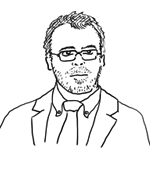
Hans-Peter Dauben
Dr. Hans-Peter Dauben, born in Moenchengladbach, Germany, is a civil servant at the German Institution for Medical Documentation and Information (DIMDI), Cologne, Germany, an institution within the scope of the Federal Ministry of Health. After finalizing his training as a cardiac surgeon at the University of Duesseldorf, Germany, he moved to DIMDI to establish the German Agency for HTA at DIMDI on behalf of the federal ministry in 2000 and to develop a structure to access HTA information, set priorities in HTA and monitor new technology developments to establish a broad consensus on HTA in Germany. The experiences of information systems developments lead to the nomination of Dr. Dauben as the national representative for information system development at the European medicine agency (EMEA) in London, UK. top

Dominik Dziurda
Director of the Healthcare Services Department of the Agency for Health Technology Assessment and Tariff System in Poland. Graduate of the Faculty of Pharmacy of the Jagiellonian University Medical College in Cracow (2002) and postgraduate MBA studies for Medical Personnel at the Kozminski University in Warsaw (2010). PhD student at the Warsaw School of Economics.
In his professional history, he has been associated with pharmaceutical law, pharmacoeconomics and healthcare system organisation as an: academic lecturer, director for reimbursement in national and central structures within the pharmaceutical sector, as well as an analyst and expert in projects related to access to healthcare and quality management. Head of the technical unit in the Fair and Affordable Pricing project, implemented within the Visegrad Group, a member of the Executive Committee of the POINTer project dedicated to quality indicator systems. At the AOTMiT he is responsible for i.a. projects related to transformation of the guaranteed services system, with focus on therapeutic rehabilitation, coordinated care and clinical management recommendations. top
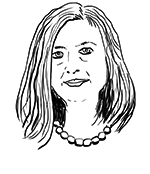
Joanna Didkowska
She has been involved with the Department of Epidemiology of the Oncology Centre in Warsaw since the very beginning of her professional work. Currently, she is the head of the Department of Epidemiology and Cancer Prevention, as well as the head of the National Cancer Registry. Since 2016, she has been the Director of the WHO Collaborating Center for Tobacco Control and a member of the National Council for Oncology at the Minister of Health. She represents the Oncology Centre at the Marie Skłodowska-Curie Institute in Warsaw at the Governmental Population Council. Member of the Public Health Committee of the Polish Academy of Sciences. She participated in population studies concerning risk factors for cancer incidence (tobacco, alcohol, diet, demographic processes), and monitoring the geographical diversification of the incidence and mortality related to malignant neoplasms in Poland. She was the initiator and co-author of studies analysing the survival rate of Polish patients. She co-authored a yearly bulletin on malignant neoplasms in Poland, as well as a study on epidemiological forecasts. She is a member of the Polish TNM Committee of the Union for International Cancer Control (UICC, previously International Union Against Cancer), the Polish Oncological Society, Polish Oncological Union, as well as the Polish Breast Cancer Research Society. Since 2011, she has been section editor in “NOWOTWORY Journal of Oncology” and, since 2016, a member of the editorial team of “Oncology in clinical practice”. She authored over 60 publications. top
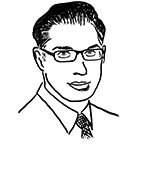
Krzysztof Giannopoulos
Professor, Ph.D. Krzysztof Giannopoulos is head of the Department of Experimental Haematooncology at the Medical University of Lublin and head of the Department of Haematology at the St. John of Dukla Oncology Center in Lublin. He was appointed Director of the Doctoral School of the Medical University of Lublin for the 2020-2024 term. Professor Giannopoulos is an expert in clinical and experimental haematology. In his scientific research, he focuses on molecular biology and the characteristics of immune processes in the course of proliferative haematological diseases. The results of the first clinical trials of immunotherapy and treatment with immunomodulating drugs in patients with chronic lymphocytic leukaemia, multiple myeloma and acute myeloid leukaemia have been published in prestigious journals such as: Blood, Leukemia, Haematologica, British Journal of Cancer, British Journal of Haematology. He is the author and co-author of recommendations on the treatment of haematological cancer patients and chapters in medical textbooks. His academic achievements have been awarded with numerous prizes, including: Award of the Prime Minister, Award of the Minister of Science and Higher Education, Award of the “POLITYKA” weekly, Award of the International Society of Haematology (IHS), as well as the Bene Meritus Terrae Lubliniensi Award. The h-index of his total scientific achievements amounts to 23. He presented scientific papers at the most important haematological conferences in Poland and abroad. He received scientific grants from the Else-Kröner-Fresenius Foundation, the Minister of Science and Higher Education, the National Science Centre and the Foundation for Polish Science, such as: HARMONIA, OPUS, START, POWROTY, KOLUMB and FOCUS, the latter for the creation of a research team in the field of oncology. He spent a total of 3 years on scientific scholarships financed by DAAD, KAAD and the Foundation for Polish Science at the Department of Internal Medicine III at Ulm University (Germany) headed by Prof. Hartmut Döhner. Professor Krzysztof Giannopoulos is the co-founder and first chairman of the Youth Section of the Polish Society of Haematologists and Transfusiologists, co-founder and the first chairman of the New Generation of Haemathology Association, co-founder and member of the board of the Polish Myeloma Consortium, a representative of the Praesidium of the Polish Myeloma Group, a member of the board of the Polish Lymphoema Research Group and a member of the Scientific Council of the Institute of Haematology and Transfusion in Warsaw, the Programme Council for Biomedicine at the Medical University in Warsaw in Lublin, Study of Molecular Medicine at the Medical University of Warsaw and the Social Council for Health Protection of the Lubelskie voivodship. In 2011-2019, he was the editor-in-chief of “Acta Haematologica Polonica”. In 2019, he received the Medal of the Centenary of Regained Independence for his outstanding achievements in the healthcare sector and was ranked among the 100 most influential people in medicine in Poland. top
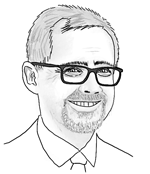
Roman Jacek Kolek
Polish local government official, physician and activist of the German minority in Poland since 2010, Deputy Marshal of the Opolskie Voivodeship. In the years 1999-2002, he was the director of the Department of Health and Social Policy of the Marshal’s Office of the Opolskie Voivodeship. In 2002, he was transferred to the position of Deputy Director for Medical Matters of the Regional Health Fund in Opole, and then took up a similar position in the Opole branch of the National Health Fund. He was also active in his community, participating in consultations regarding changes in the state health policy and the antibiotic therapy rationalisation programme. He was politically involved in the activity of the German minority in Poland within the Social and Cultural Association of Germans of Opole Silesia. In 2002, 2014 and 2018, he was elected councillor for the Opole Regional Council for the second, fifth and sixth term of office. In the Regional Council, he was the head of the councillor club of the German Minority. In 2015, he unsuccessfully ran for the Sejm from the second place on the German Minority list (winning 3,395 votes), and for the Senate in 2019, reaching the third place in his district. In 2010, he took the office of Deputy Marshal of the Opolskie Voivodeship; he remained in office after the 2014 and 2018 elections. In 2017, together with other German Minority members, he co-founded the “Regionalna. Mniejszość z Większością” (Regional. Minority with the Majority) party; in 2018 he became its deputy chairman. He taught classes at physician courses, as well as classes at the Pharmacoeconomics, Marketing and Pharmaceutical Law College at the Warsaw University of Technology. Roman Jacek Kolek has published scientific papers in the field of public health and health care finance, cost analyses of expenditure on health services provided to the insured, as well as lectures for physicians as part of training sessions and courses in public health and health insurance. He co-organised numerous conferences in the field of health policy and financing of health services, including the British-Polish Healthcare Forum, Polish-Ukrainian Healthcare Forum and the Polish-German Health Forum. He authored and co-authored numerous publications in the field of public health and financing of health services. He is a member of a working group at the Polish Employer’s Association for the development of directions of changes in the state health policy under the “Academy of Health 2013” initiative. top
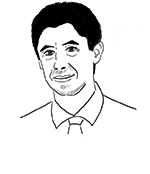
Mariusz Kordecki
Expert and practitioner in the field of medical projects, CRO, EBM and HTA. He has many years of experience in the pharmaceutical sector and public institutions. Mariusz is the CEO at HTA Registry. He is the co-author of scientific publications, external lecturer at the Medical Collage of the Jagiellonian University (CMUJ), clinical expert for TUV NORD and an active trainer. He graduated from the Institute of Public Health at the CMUJ in Cracow. top
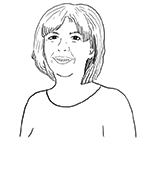
Dorota Korycińska
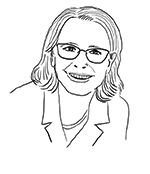
Katarzyna Kotulska-Jóźwiak
Professor of neurology and paediatric neurology, Head of the Neurology and Epileptology Clinic at the Children’s Memorial Health Institute, Vice-Chairman of the Scientific Council at the Children’s Memorial Health Institute (CMHI) in Warsaw which is Poland’s reference paediatric hospital. Polish representative to the Board of EU Member States for European Reference Networks, vice-chair of the team on rare diseases, Head of the team coordinating the programme for treatment of spinal muscular atrophy. Member of the MAB BrainCity Scientific Committee.
Graduate of the Medical University of Silesia, she conducts research in the field of developmental neurology, especially in the field of epileptogenesis and skin and nerve diseases. In the past, Katarzyna Kotulska-Jóźwiak was head and executor of several national and international grants. Author of over 150 peer-reviewed articles published in scientific journals. top
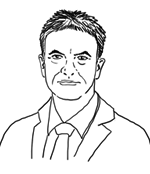
Oskar Kowalski
Dr hab. n. med. Oskar Kowalski, professor and graduate of the Medical University of Silesia in Katowice. He currently works as a professor of the Medical University of Silesia in the Department of Human Nutrition at the Faculty of Health Sciences in Bytom. Furthermore, he has been Head of the Laboratory of Electrophysiology and Electrostimulation at the Silesian Centre for Heart Diseases in Zabrze since 2003. Prof. dr hab. n. med. Oskar Kowalski, Professor of the Medical University of Silesia, is an active member of the European Society of Cardiology. He is the Treasurer of the Executive Board of the Polish Society of Cardiology. Prof. dr hab. n. med. Oskar Kowalski, Professor of the Medical University of Silesia, is a Consultant at the Agency for Health Technology Assessment and Tariff System. He actively participates in research projects. He has won numerous Rector's awards in the field of scientific activity. Since 01/09/2020, he has been the Vice-Rector for Postgraduate Education at the Medical University of Silesia in Katowice. top
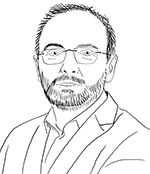
Maciej Krawczyk
President of the National Council of Physiotherapists, MA in Physical Rehabilitation, PhD in Physical Culture in Rehabilitation, PhD in medical sciences, physiotherapy specialist. Graduate of the Faculty of Rehabilitation of the Józef Piłsudski University of Physical Education. He represents the National Chamber of Physiotherapists (KIF) before external entities, coordinates the work of the KIF which executes the tasks determined by the 1st National Congress of Physiotherapists, appoints the chairmen and members of the KIF thematic teams, ensures proper conditions for the operation of the KIF Disciplinary Court, KIF Professional Responsibility Spokesperson and their deputies, as well as the KIF Audit Committee. Professional interests: reconstructive neurology, anthropology, kinesiology. top
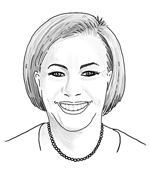
Brygida Kwiatkowska (SPC)
Rheumathologist, Deputy Director for Clinical Affairs at the National Institute of Geriatrics, Rheumatology and Rehabilitation in Warsaw, Chairperson of the National Council of Rheumathology, Secretary of the Warsaw unit of the Polish Rheumatology Association. Dr. Kwiatkowska’s academic interests include the diagnosis and treatment of rheumatic diseases. She conducts multi-directional work thus contributing to other medical disciplines related to rheumatic diseases. She promotes the use of modern diagnostic techniques in diagnosing rheumatic diseases and introduces the latest available therapeutic methods. Her academic achievements comprise 46 publications: 12 original full-text scientific papers, 26 review articles, 4 case reports, 11 textbook chapters, including 2 chapters to an international textbook (published in English), 2 editorial commentaries. She is the first author of the majority of the papers, playing the leading role in the creation of the concept, development of the results and preparation for print. In addition, she has published 15 congress reports in supplements for Polish and foreign scientific journals. top
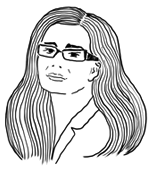
Line Helen Linstad

Maria Libura
Head of Medical Training and Simulation Centre, University of Warmia and Mazury in Olsztyn, vice-President of The Polish Society for Medical Communication, healthcare expert of the Jagiellonian Club Analytical Centre, President of Polish Prader–Willi Syndrome Association. Member of the Expert Board to the Patients Ombudsman. top
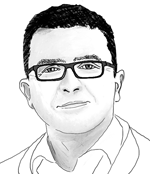
Adam Maciejczyk
Oncologist, specialist in oncological radiotherapy and director of the Lower Silesian Oncology Centre, head of the Radiotherapy Clinical of the Wrocław Medical University, president of the Polish Oncological Society and president of the National Association of Public Centres and Oncological Institutes. He specialises in childhood cancer treatment. He is a member of the Main Board of the Polish Society of Oncological Radiotherapy (PTRO), as well as the coordinator of the Paediatric Radiotherapy Section in the Polish Paediatric Group for Solid Tumours. Doctor Maciejczyk is also a member of the Therapeutic Radiology and Oncology (ESTRO) and the Paediatric Radiation Oncology Society (PROS). He is a member of the National Council for Oncology on behalf of the Polish Oncological Society, the Scientific Council of the Oncology Centre at the Marie Skłodowska-Curie Institute in Warsaw and the Transparency Council of the Agency for Health Technology Assessment and Tariffs. In 2019, he was appointed by the Minister of Health to participate in the work of the National Oncological Strategy Development Team. He is also an academic teacher. In 2019, he co-authored many papers and summaries, including, among others, publications like “The effect of YAP expression in tumor cells and tumor stroma on the prognosis of patients with squamous cell carcinoma of the oral cavity floor and oral surface of the tongue” or „The effect of the population-based cervical cancer screening program on 5-year survival in cervical cancer patients in Lower Silesia”. top
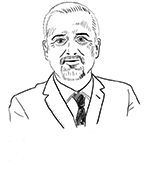
Maciej Niewada
Clinical pharmacologist, neurologist; assistant professor at the Department of Experimental and Clinical Pharmacology at the Medical University of Warsaw. He graduated from the Faculty of Medicine at the Medical University of Warsaw in 1997. He concurrently studied at the Warsaw School of Economics, where he obtained a master’s degree in Economics in 2000. Since 1997, he has been working at the Department of Experimental and Clinical Pharmacology at the Medical University of Warsaw, where he obtained a specialisation in clinical pharmacology. He is a lecturer at the Business School of the Warsaw University of Technology and a specialist at the Therapy and Drug Science Committee of the 5th Faculty of Medical Sciences of the Polish Academy of Sciences. In the years 2000-2006, he was an assistant at the 2nd Neurological Clinic of the Institute of Psychiatry and Neurology. In 2004, he received a PhD in Medical Sciences (his doctoral dissertation concerned the costs of stroke from the social perspective), and in 2013, he was habilitated (based on his work regarding the Hospital Register of Strokes in Poland). Since 2009, he has been the CEO of HealthQuest – a consulting company operating in health technology assessment and reimbursement. He co-authored the health technology assessment guidelines adopted by the Agency for Health Technology Assessment, and also co-authored health technology assessment reports, costs analyses, epidemiological studies and studies concerning quality of life and utility. Maciej Niewada is also one of the founders of the Polish Pharmacoeconomics Society (ISPOR Poland Chapter), where he is currently the President. Furthermore, he cooperates with the Ministry of Health, the National Health Fund and medical scientific societies. His research interests include health technology assessment, pharmacoepidemiology and prevention of cerebrovascular diseases. top
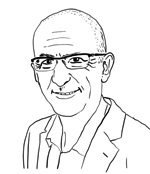
James O’Brien

Maria Piętak-Frączek
She has been working at the Cracow City Hall for 20 years, since 1999. She graduated from the Nursing Institute at the Faculty of Healthcare of the Jagiellonian University Medical College. In 1997, she completed post-graduate studies in Health Promotion at the Institute of Public Health of the Jagiellonian University. In 2012, she completed post-graduate studies in Economy and Public Administration at the Małopolska School of Public Administration of the Cracow University of Economics. In 2019, she completed post-graduate studies in HTA and EBM in Healthcare Management as part of the “Development of administrative and management competences for quality improvement in healthcare” project organised by the Faculty of Health Sciences of the Jagiellonian University. From the beginning of her work, she has been developing the principles of the “Healthy Cracow” Municipal Healthcare Programme, organising conferences, trainings and outdoor health-related events, including the “Cracow Health Days”. She cooperates with numerous regional and national healthcare-related institutions. She is also a representative of the City of Cracow in the Association of Healthy Polish Cities and the President of the Management Board of the Association. As part of this activity, among others, she organises meetings for member cities which address significant issues regarding healthcare and prevention. top
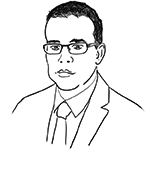
Robert Plisko
President of HTA Consulting since 2006, he is one of the founders of the company. Robert - master of economy by education (Cracow University of Economics), started his career in the Polish National Centre for Quality Assessment in Health Care. Robert is the author of many publications on HTA and health care and as advisor to the World Bank he participated in projects conducted in Serbia. Robert heads the Economic Analyses Department and carries out projects in Asia and Australia. Calm and common sense are Robert's second nature. top
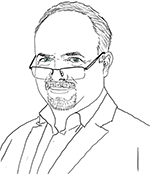
Tomasz Jan Prycel
Secretary and Managing Director of CEESTAHC. Tasks for the EBHC 2019 Symposium: coordination of trips between event locations. Graduate of the Faculty of Medicine of the Medical University in Łódź and Postgraduate Health Care Management Studies in the Nofer Institute of Occupational Medicine. Expert in cooperation and creation of health projects with local government units, with many years of experience in creating an educational platform for developing high-quality health programmes in important areas of public health. President of the European Foundation for Solving Health Problems (Europejska Fundacja Rozwiązywania Problemów Zdrowotnych). Co-creator of the “Zdrowie/Człowiek/Profilaktyka” educational programme, aimed at local governments and employers. Initiator of www.dobreprogramyzdrowotne.pl, a website containing a Health Programme Creator and educational materials for creators of health policy programmes. top
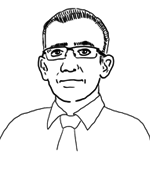
Przemysław Ryś
The Clinical Analyses Department's Director in HTA Consulting. A doctor by education, he graduated from Collegium Medicum of the Jagiellonian University and worked in the J. Dietl Specialist Hospital in Krakow and the Krakow University Hospital. Przemysław heads the Clinical Analyses Department and supervises projects carried out in Poland and the rest of Europe. He is the author of clinical and methodical publications as well as a reviewer of scientific journals. He has a great eye for detail and the ability to ask inquisitive clinical and methodical questions. top
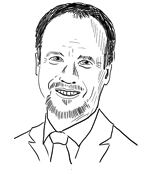
Holger Schünemann
Prof. Schünemann is Chair of the Department of Health Research Methods, Evidence, and Impact (formerly “Department of Clinical Epidemiology and Biostatistics”). He is director of Cochrane Canada, co-director of the McMaster University WHO collaborating center for evidence informed policy-making (until 2018) and the McMaster GRADE center, co-chair of the Guidelines International Network and International Network of Health Technology Agencies (GINATHA) working group. He has served as methods lead on over 20 European Commission and WHO expert guideline committees and served as adviser to member countries. From 2005 to 2009 he was at the Italian National Cancer Center in Rome, Italy, serving as interim chair of the department of Epidemiology from 2007 to 2009, before moving to McMaster University as full-time Professor and to become Chair of Clinical Epidemiology and Biostatistics. He completed his second and final term a chair in June 2019 and focuses now on research and implementation projects related to guidelines and systematic reviews. He has been advisor to ministries of health, other governmental organisations and numerous professional societies for their knowledge synthesis and guideline programs and is co-chair of the GRADE working group (www.gradeworkinggroup.org) where he was instrumental in the creation of 16 GRADE centers and networks globally. His scientific work focuses on evidence synthesis, quality of life research and the presentation and development of health care recommendations spanning clinical medicine to public health. He has authored or co-authored over 600 peer-reviewed publications, has been named by Thomson Reuters as one of the most influential 3,000 scientific minds of current times yearly since 2015, and is on the list of the 1500 most cited scientists of all times. As editor in Chief, he leads the journal Health and Quality of Life Outcomes. Maintaining an active internal medicine practice fulfills his passion for patient care and ensures his research is people-oriented. top
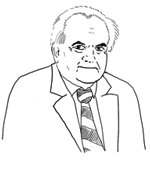
Zbigniew Szawarski – SPC Chairman
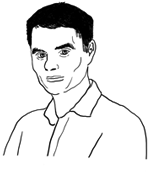
Tomasz Tatara
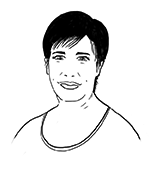
Victoria Thomas
Victoria Thomas BA (Hons), MSc (Dist), Head of Public Involvement National Institute for Health and Care Excellence (NICE). Victoria Thomas has run the Public Involvement Programme at NICE since 2009, and has been with the Programme since 2001. Following a degree in Art History, Victoria has worked exclusively in the public and voluntary sector, specialising in healthcare quality improvement activities and in patient and public involvement. Victoria’s MSc, in Science and Society, concentrated on issues of science communication, science and the public, and lay people’s engagement with evidence-based healthcare initiatives. Victoria has an interest in shared decision-making, in particular the role of national clinical guidelines as the basis of informed decision-making by both patient and clinician.
top
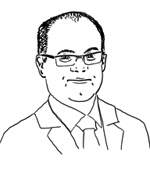
Roman Topór-Mądry
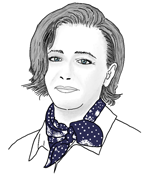
Magdalena Władysiuk
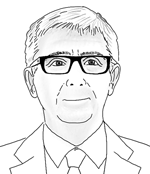
Marek Wójcik

NAME
bio top
Download
15. International EBHC Symposium 2020
 Final Programme
 Prezentacje wykładów 2020
 Nagrania wykładów 2020
Previous editions
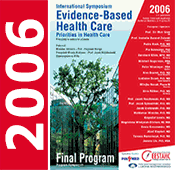
Zobacz edycję 2006
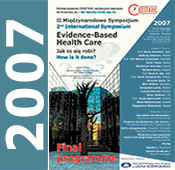
Zobacz edycję 2007
Zobacz edycję 2008
Zobacz edycję 2009
Zobacz edycję 2010
Zobacz edycję 2011
Zobacz edycję 2012
Zobacz edycję 2013
Zobacz edycję 2014
Zobacz edycję 2015
Zobacz edycję 2016
Zobacz edycję 2017
Zobacz edycję 2018
Zobacz edycję 2019
Zobacz edycję 2020

Zobacz edycję 2021
 English (UK)
  Polski